
Build anywhere
85 / 98 m³
Local concrete per MWdc · 111 / 128 yd³ 35 / 47 m•s · 78 / 105 mph · 0 piles
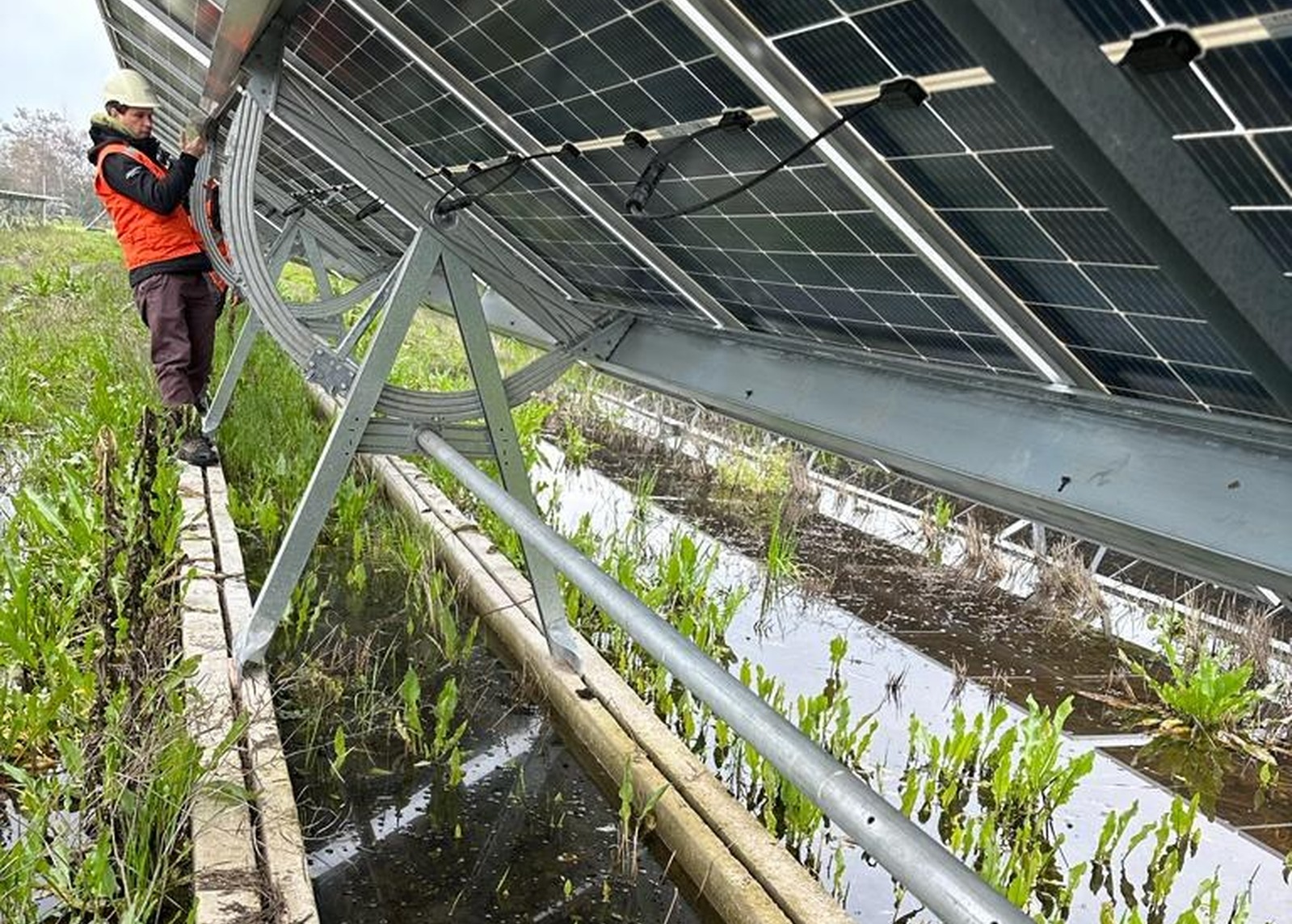
Split Rail Foundation. Slipformed ballast. Install up to 0.5 MWdc per machine per shift.
Alion Energy
A 1P tracker that takes the ground as it is — clay, cobble, slope, water — and holds in the storm.
GPS coordinate + module type to start.
The site is the product
Rockless, arable soil is chosen because a driven steel pile goes in. Refuse rates stay low. The field that grew food becomes the PV plant. That is the quiet food-versus-energy fight: not ideology — geotech.
Our work is to take that fight off the farm. Make brownfields and “disqualifying” ground — cobble, clay, rock, standing water — cheap enough to build on, and the arable acre stays in food. The unique offer is not “no piles.” It is full foundation flexibility: match the foundation to the site, including where piles refuse.
Fifteen granted patents on that path: slipform ballast, A-frame support, and the joint to concrete.
Mechanism
Same mechanics across every foundation: mechanicals, drives and controls. The A-frame sits on several foundations — Split Rail, Full Reflector, precast / CIP. The driven-post version does not — same mechanicals, drives and controls, no A-frame. Cable earth anchors are a separate 2027 NPI foundation.
Build anywhere
85 / 98 m³
Local concrete per MWdc · 111 / 128 yd³ 35 / 47 m•s · 78 / 105 mph · 0 piles
Split Rail Foundation. Slipformed ballast. Install up to 0.5 MWdc per machine per shift.
Install with anyone
≤20 kg
≤ 44 lb · every steel part
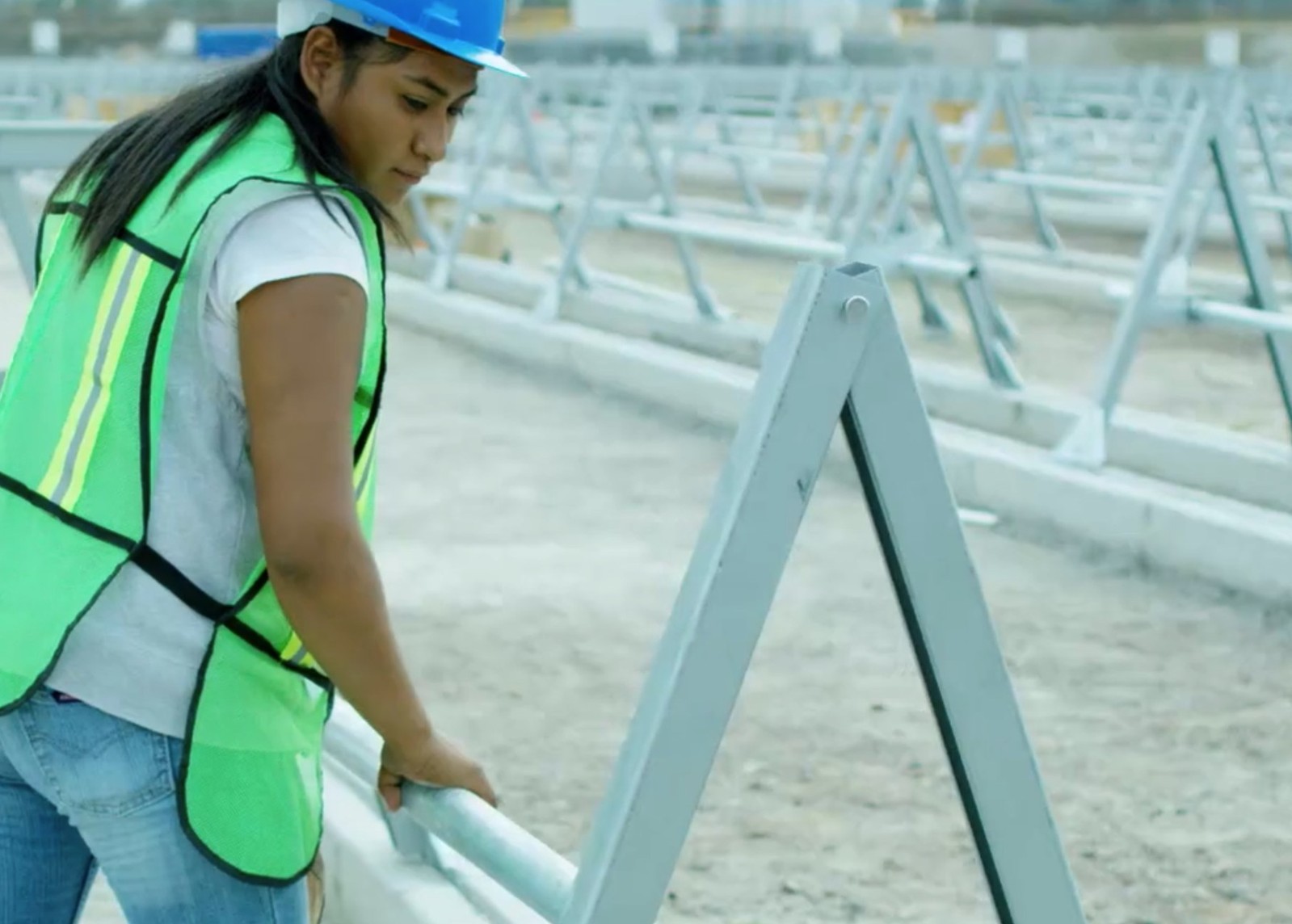
One person can lift it. Less crane time. Faster assembly on the row. Future proof for humanoid robotics.
Drive more modules
1.3×
modules per drive · 120 × 700 Wp / 3″ slew
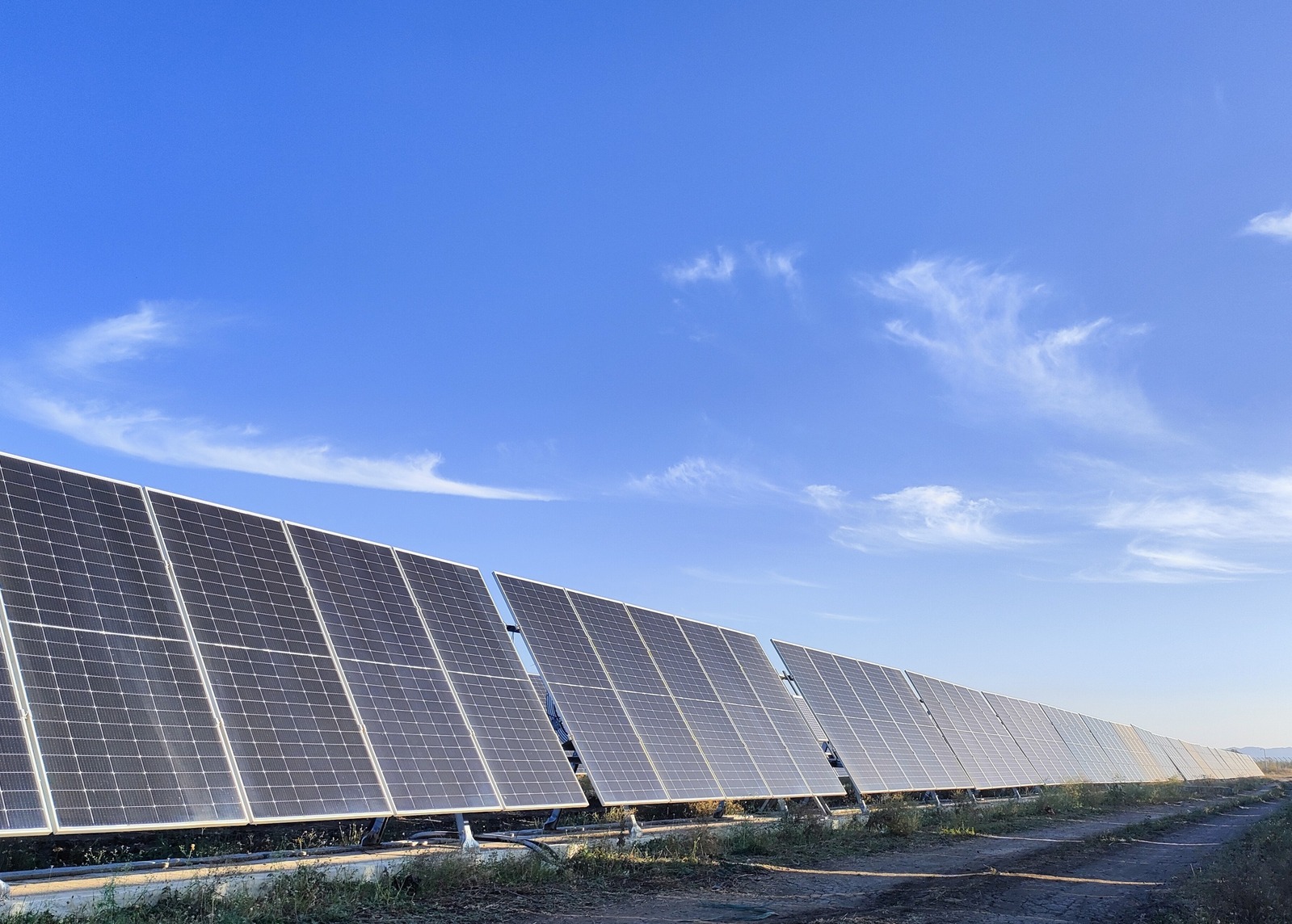
More modules per drive than a typical 1.5 m torque-tube SAT. Powerful gearing for heavier PV modules.
Run up and down hills
We pioneered terrain following and inspired others.
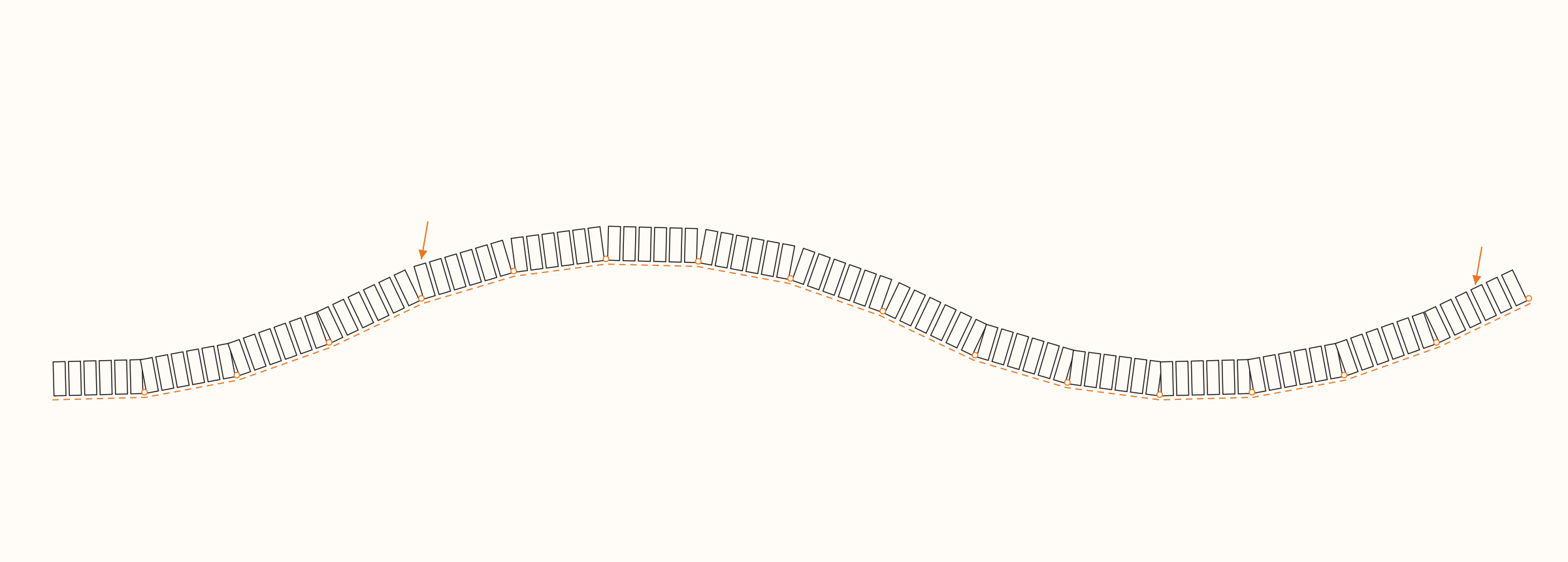
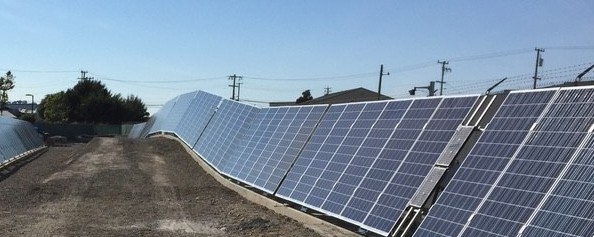
2014 · First terrain-following tracker
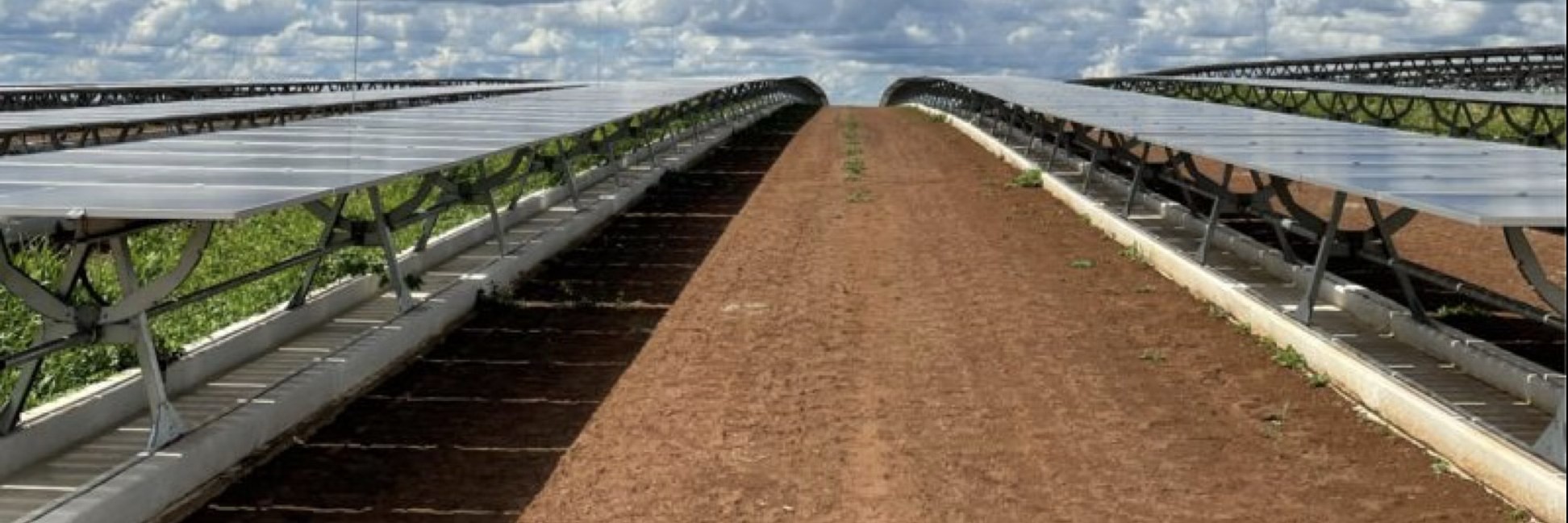
Mountainside rocky soils implementation
Same mechanics · foundation matched to the site
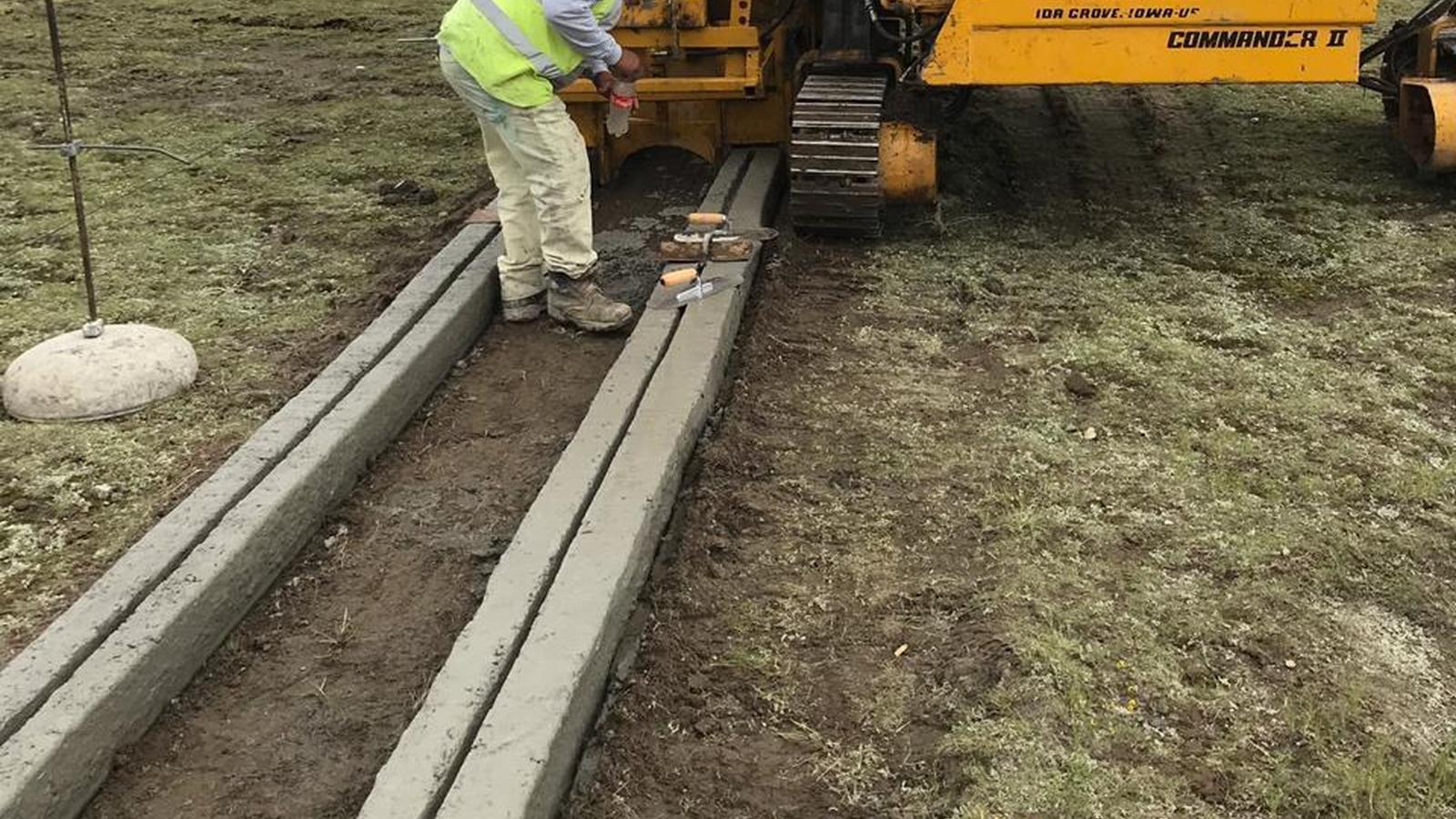
Corrosive volcanic silt
Foundation
Continuous slipform ballast. Match the foundation to clay, cobble, slope, and standing water. 0 piles.
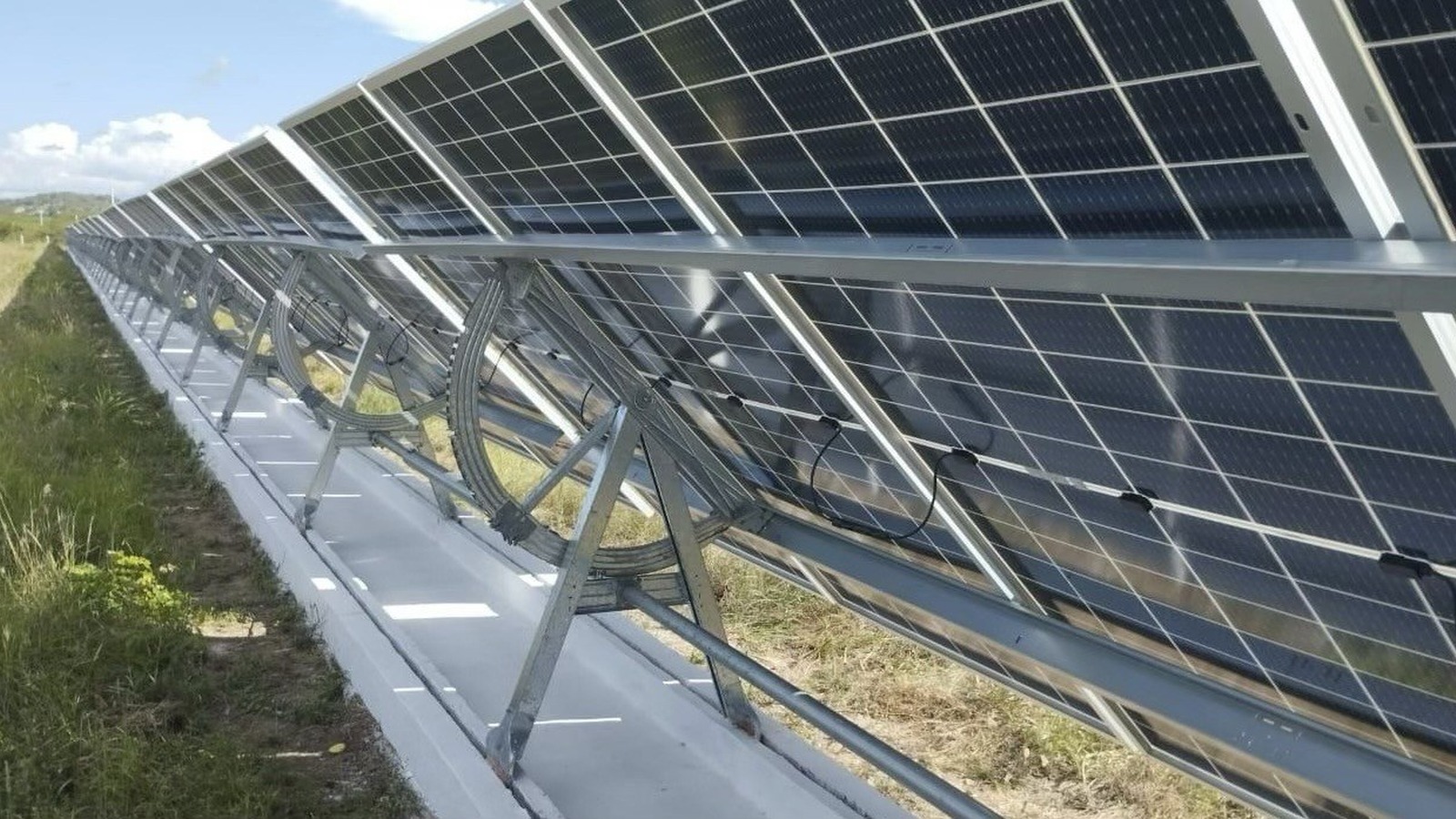
Subsurface rock
Foundation
Slipformed ballast you can see — albedo and soiling control. Same A-frame as Split Rail.
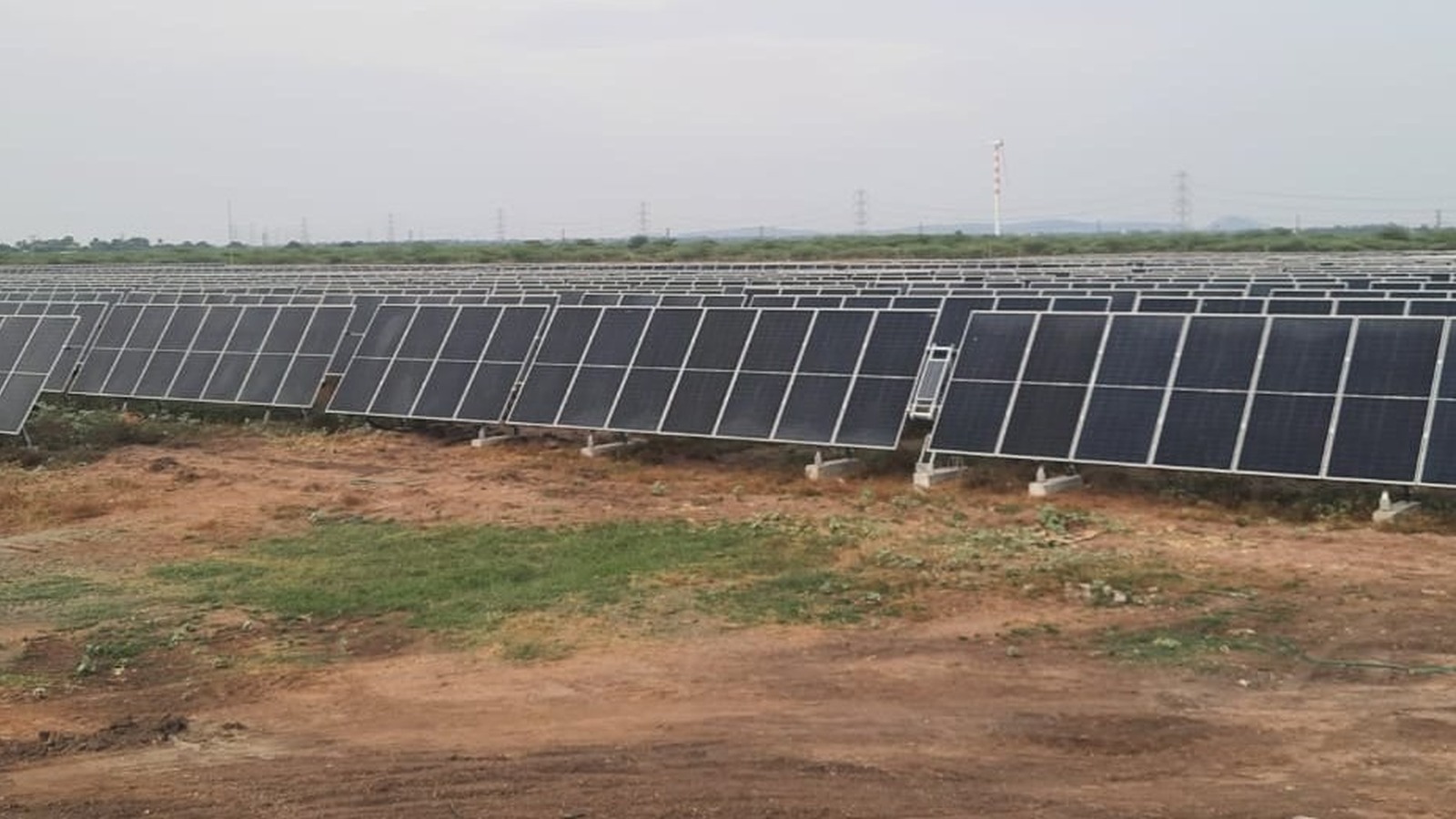
Active clays
Foundation
Precast or CIP concrete. Same A-frame as Split Rail. Use when slipform is not the path for that land.
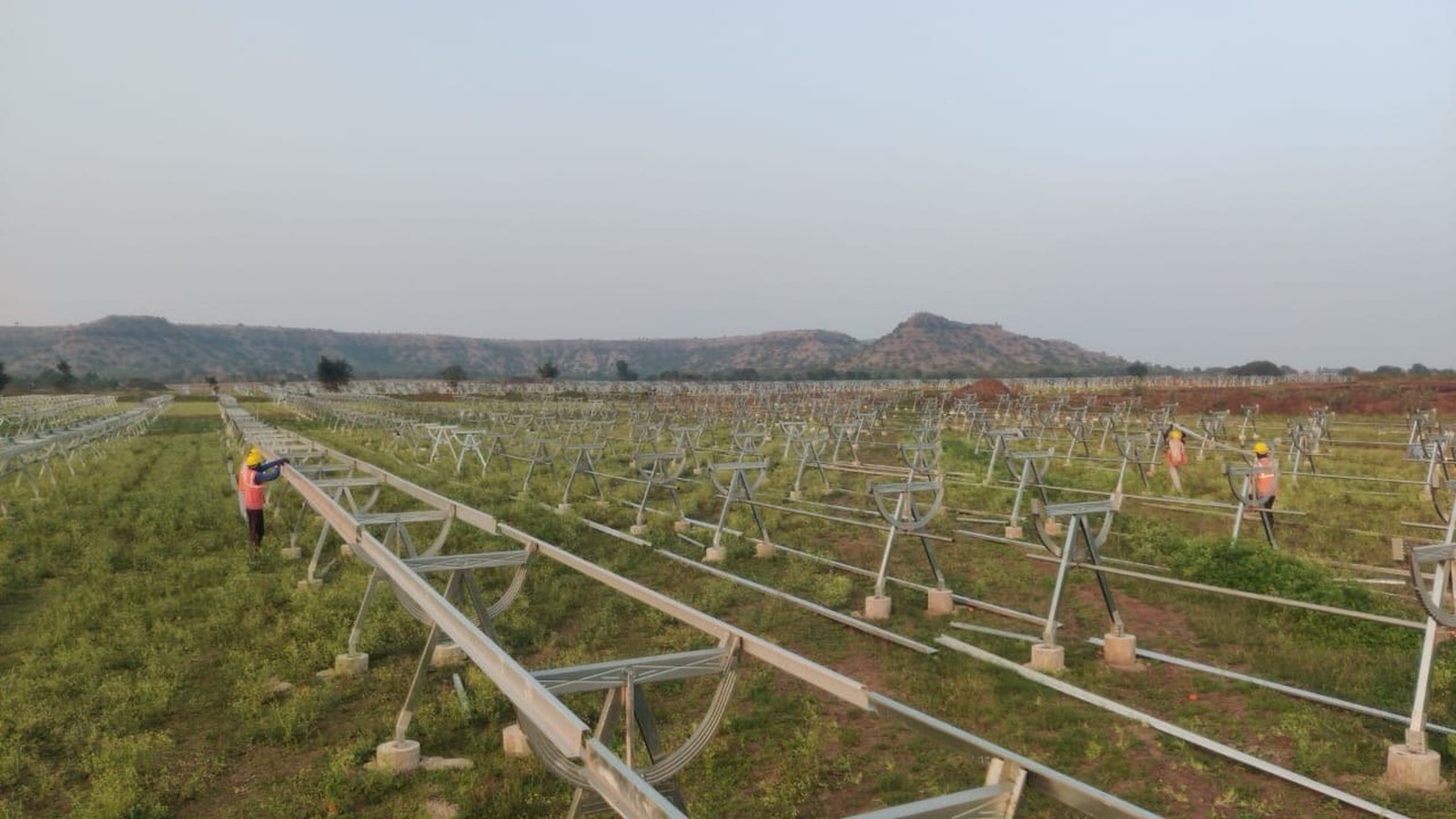
Basalt flows
When a driven pile refuses
Small-diameter piles, drilled and grouted. No A-frame — same mechanicals, drives and controls as the rest of the plant. For rock, cobble, and hardpan — ground that will not take a driven post.
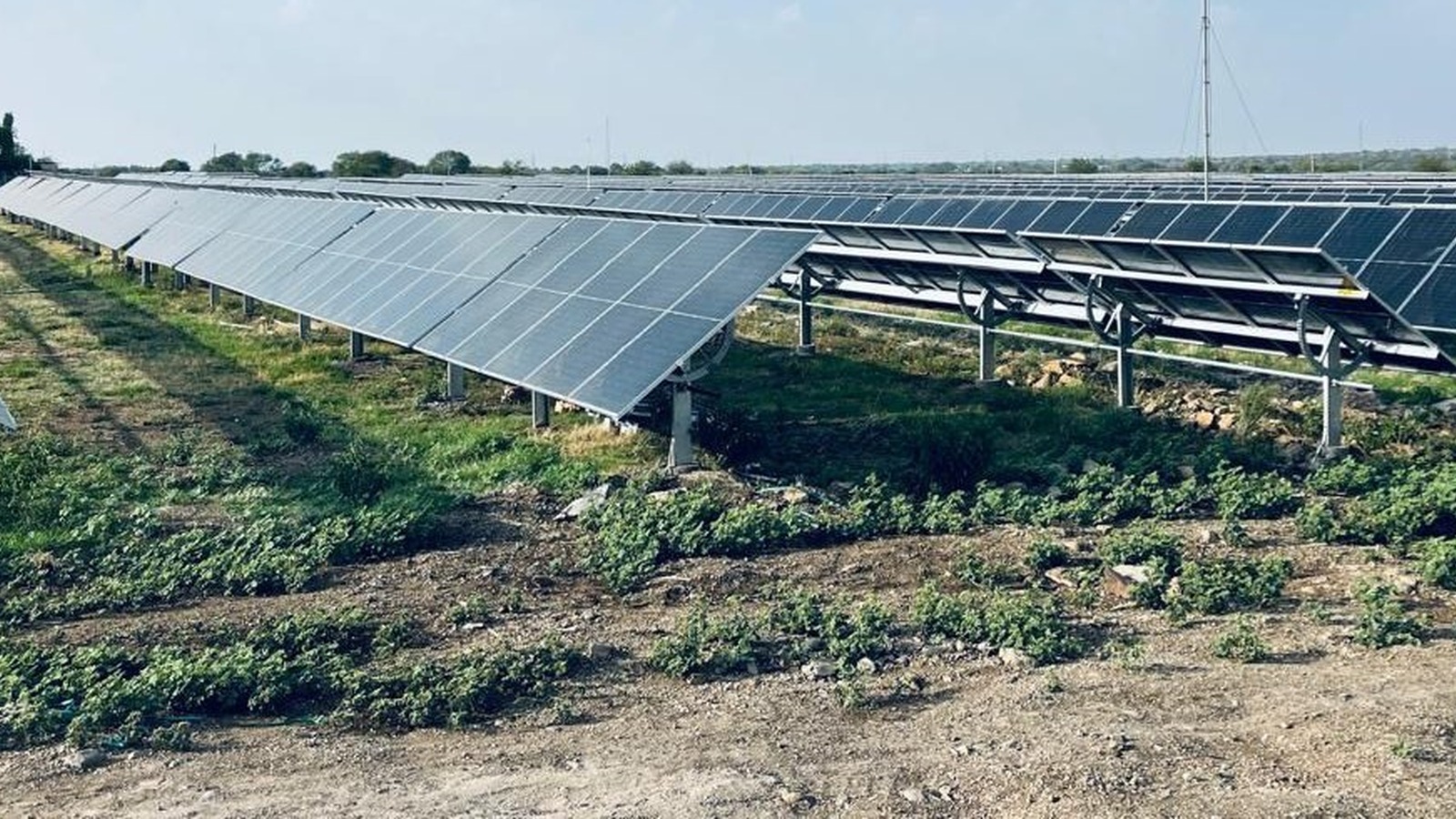
Corrosive cotton soils
When the site takes a post
Single pile when the ground will take a driven or drilled post. No A-frame — same mechanicals, drives and controls as the ballast plant.
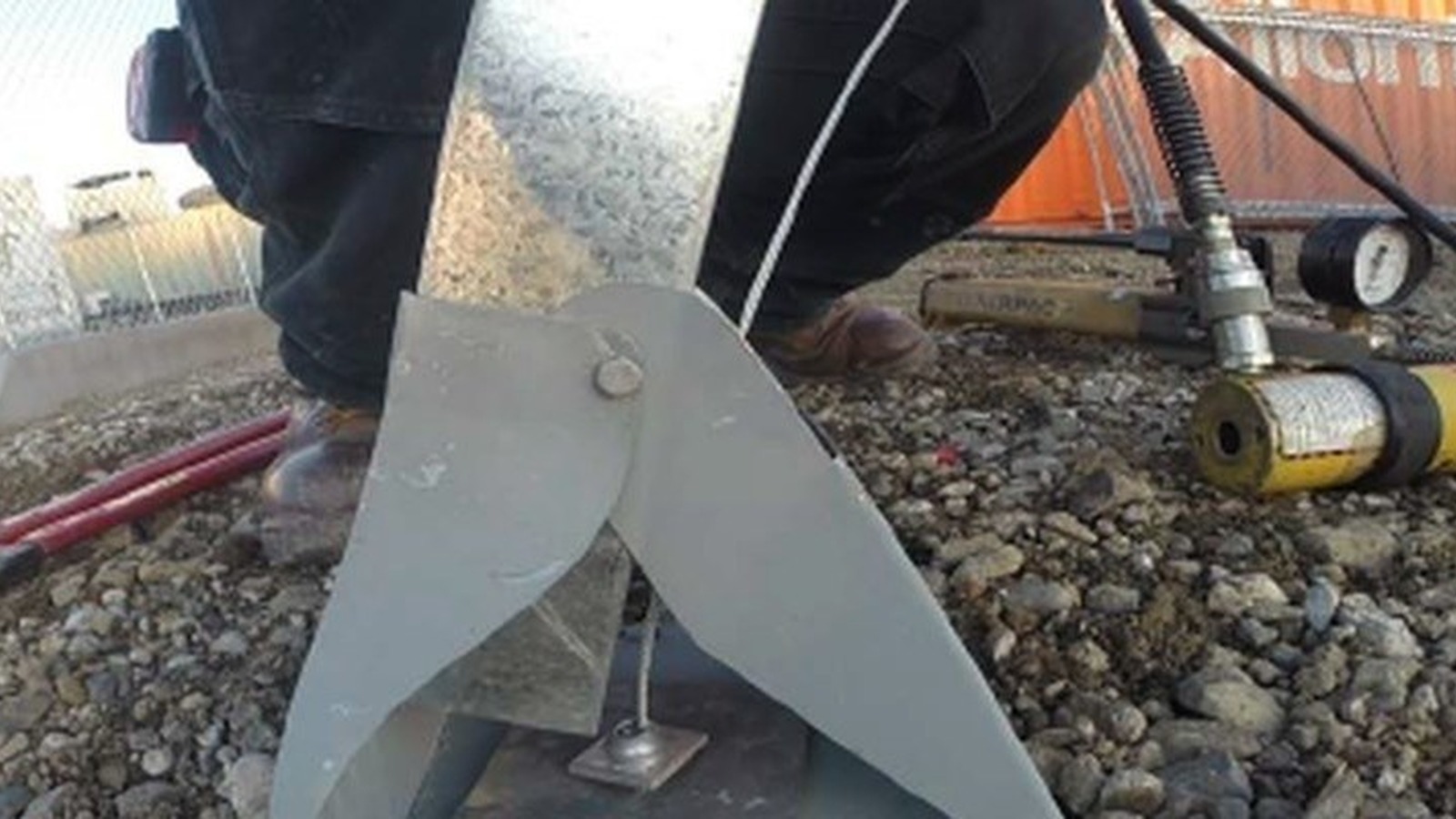
Remote islands / off-grid
2027 NPI
Cable anchors when the site is too remote to ship in concrete or steel piles. Separate 2027 NPI foundation.
Install and leave the land
This pour is Split Rail on volcanic silt in a national park with buried archaeological resources. Single piles and micropiles were not allowed. At end of life the foundation comes out as a rail, not a corroded pile field. Recycled ballast can be LEED material and sold as aggregate.
Next